Anxiety and Depression
Most of us experience periods of anxiety and depression in our lives. Sometimes these connect with life events, and sometimes they seem more deeply rooted. Many clients explore issues to do with either anxiety or depression.
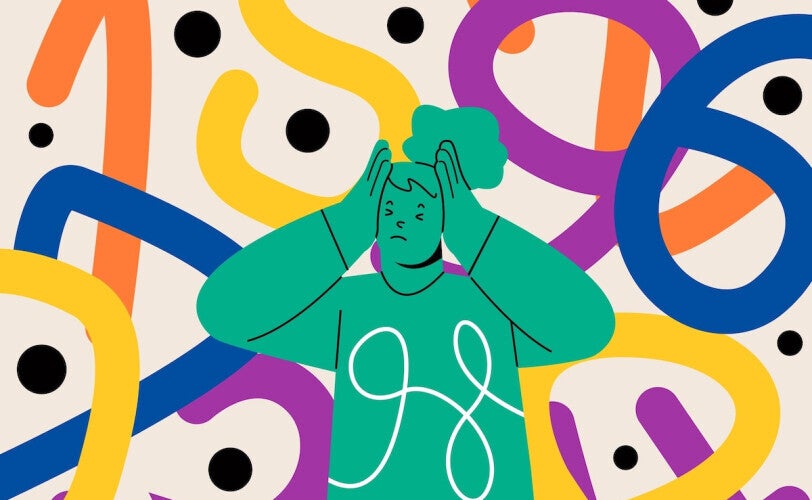
Anxiety
Anxiety is a natural response to perceived danger, but when it becomes persistent it can significantly affect daily life. Neuroscience shows that anxiety often involves the amygdala, the part of the brain that detects threats, becoming overactive, while the prefrontal cortex, which helps us reason and regulate emotions, may be less able to calm the response. This can lead to patterns of hypervigilance, racing thoughts, physical tension, or avoidance behaviours. Therapy can help by creating a safe space to explore these responses, understand triggers, and develop strategies to manage them. Approaches such as cognitive-behavioural therapy (CBT) can help identify and challenge anxious thoughts, while techniques like mindfulness, grounding, and somatic awareness help regulate the body’s stress response. Over time, therapy can support the nervous system to feel safer, reduce the intensity of anxious reactions, and help people respond to situations with greater clarity, confidence, and calm.

Depression
Therapy can provide essential support for people experiencing depression by helping them understand how thoughts, feelings, and behaviours interact, and by offering tools to break patterns that maintain low mood. Cognitive-Behavioural Therapy (CBT) is one widely used approach, based on the idea that negative thought patterns can distort perception and reinforce feelings of sadness, hopelessness, or worthlessness. By identifying and gently challenging these thoughts, therapy helps clients develop more balanced ways of thinking. Depression also affects the brain’s prefrontal cortex and limbic system, influencing emotional regulation, motivation, and reward processing, which can make even simple tasks feel overwhelming. Internal Family Systems (IFS) Therapy supports clients in exploring the different “parts” of themselves — such as self-critical, vulnerable, or protective parts — and how these internal patterns may maintain depressive feelings. Through therapy, clients can develop self-compassion, learn to harmonise these parts, regulate emotions, and gradually re-engage with life in a more balanced and hopeful way.