Gender, Sex and Relationship Diversity
Gender, Sex and Relationships are at the core of our identity.

Gender
Counselling can provide a vital, affirming space for people exploring or living with questions around gender identity. Research consistently shows that gender-aware and supportive therapeutic relationships are associated with improved mental health outcomes for transgender and gender-diverse people, including reduced anxiety, depression, and minority stress. Gender-aware counselling recognises that distress often arises not from a person’s identity itself, but from experiences of misunderstanding, discrimination, or pressure to conform. An LGBTQ+-affirmative approach respects each person’s self-defined identity, uses appropriate language and pronouns, and allows exploration at the client’s pace. Counselling does not assume outcomes, but supports individuals in making sense of their experiences, strengthening self-acceptance, and building resilience within a social context that can sometimes feel challenging or unsafe.

Sexuality
Counselling can also support people in exploring questions around sexuality in a way that is non-judgemental, inclusive, and grounded in respect. Being sex-aware and LGBTQ+-affirming means recognising the diversity of sexual identities and experiences, and understanding how shame, silence, or cultural and religious messages can impact wellbeing. Research highlights that clients benefit when therapists are knowledgeable about sexual diversity and actively challenge pathologising assumptions. Counselling can help individuals reflect on identity, desire, relationships, and boundaries, as well as process experiences of rejection or internalised stigma. A supportive therapeutic space allows clients to integrate their sexuality into a broader sense of self, fostering confidence, authenticity, and emotional wellbeing.
Relationships
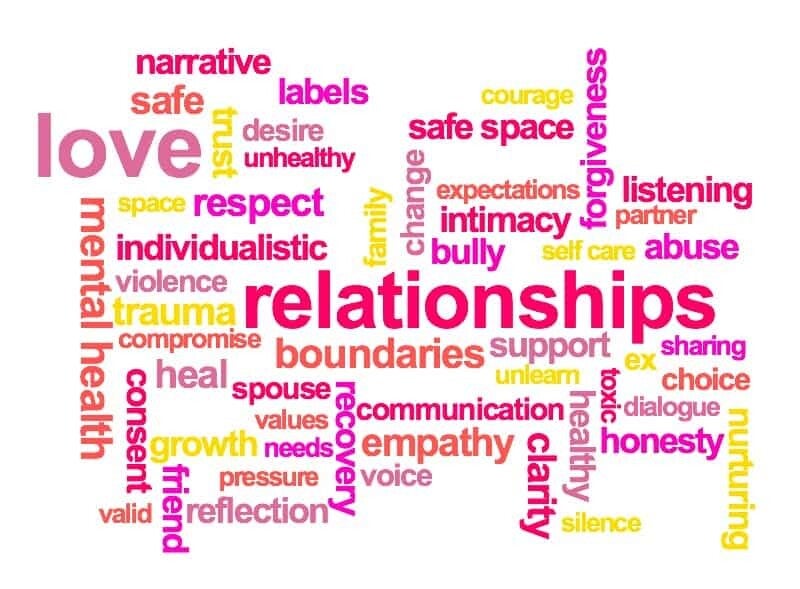
Relationship issues are often deeply connected to questions of gender and sexuality, particularly for LGBTQ+ people navigating family dynamics, friendships, partnerships, or faith and cultural contexts. Relationship-aware counselling recognises that LGBTQ+ relationships may face additional pressures, such as lack of role models, social invisibility, or external judgement. Research suggests that therapy which is inclusive of diverse relationship structures and experiences supports healthier communication, stronger attachment, and greater relational satisfaction. Counselling offers space to explore patterns of relating, negotiate boundaries, and develop self-compassion, whether someone is single, partnered, questioning, or experiencing change. Being gender-, sex-, and relationship-aware means holding relationships in their full complexity, without assumptions, and supporting clients to build connections that are authentic, respectful, and life-giving.